Batu Malang Explained: How This Volcanic Stone Is Used and Why It Matters
If you have spent any time around East Java's construction sites, traditional markets, or garden supply shops, you have probably come across batu malang. The name translates roughly to "Malang stone," a reference to the region in East Java, Indonesia, where this type of volcanic rock has been quarried and used for generations. It is one of those materials that quietly underpins a huge amount of everyday infrastructure, yet rarely gets explained in plain terms.
Understanding batu malang is useful whether you are planning a building project, sourcing landscaping materials, or simply curious about how volcanic geology shapes regional construction culture. This article breaks down what batu malang actually is, how it is processed and graded, and what it is typically used for in practice.
What Batu Malang Actually Is
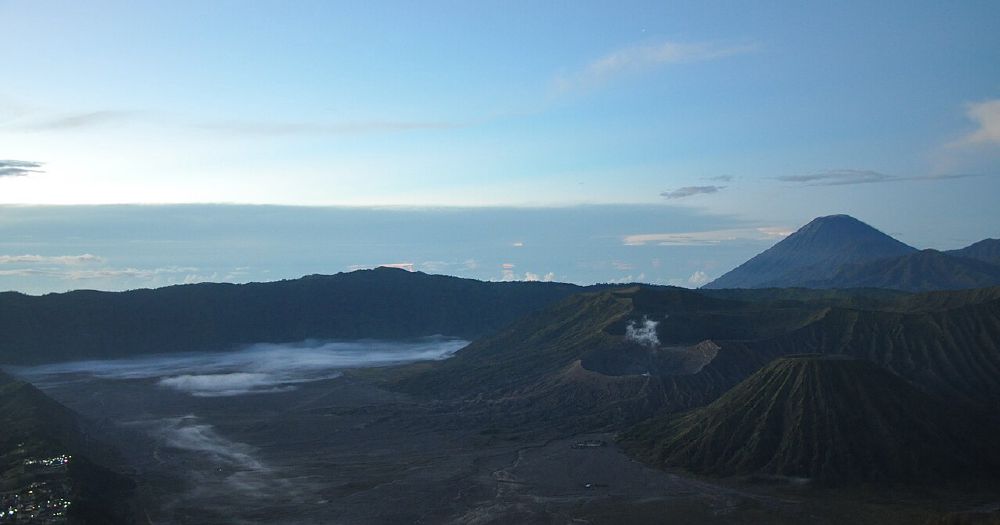
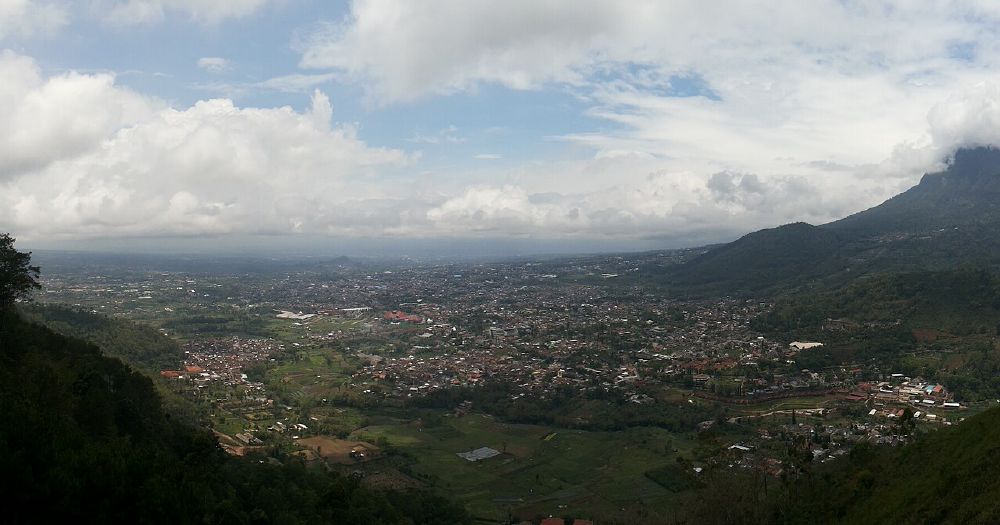
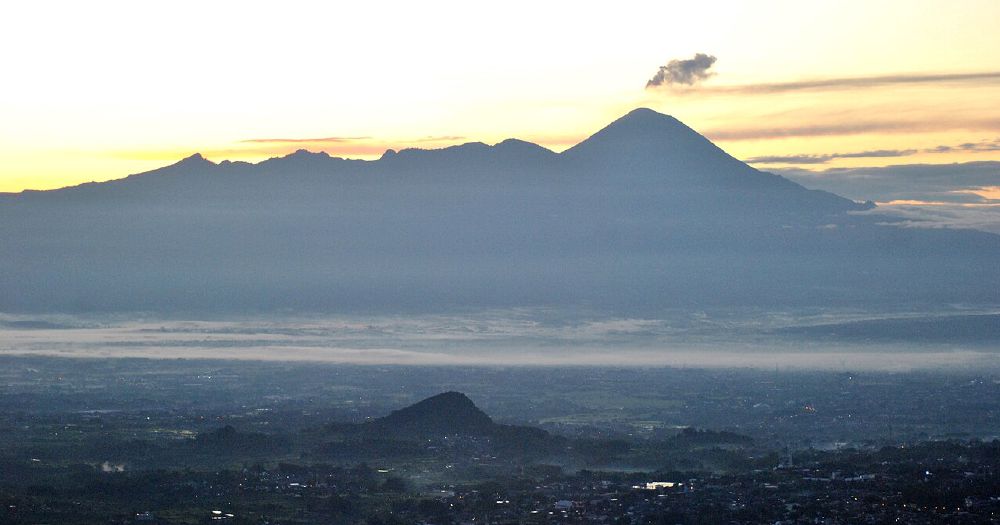
Batu malang is a category of volcanic stone sourced primarily from the mountainous areas surrounding Malang in East Java. The region sits within Indonesia's volcanic belt, and centuries of volcanic activity have deposited dense, hard rock formations across the landscape. When quarried and processed, this material yields stones that are notably tough, relatively porous, and well-suited to both structural and decorative applications.
The stone is not a single mineral type. Instead, the term "batu malang" functions as a regional trade name covering several related volcanic rock varieties, most of which fall into the broader category of andesite or basalt-adjacent stone. Andesite is an igneous rock formed when lava cools, and it is prized in construction for its hardness and resistance to weathering. Because the Malang area has an abundance of this material close to the surface, it can be extracted efficiently and transported throughout Java and beyond.
One key characteristic that distinguishes batu malang from ordinary gravel or limestone is its density and structural integrity. It does not crumble easily under load, it handles moisture well without significant degradation, and its rough surface texture gives it strong bonding properties when used with cement or mortar.
How It Is Processed and Graded
Raw batu malang comes out of the ground in irregular chunks that must be sorted, crushed, or cut before use. The processing method depends heavily on the intended application. For large civil engineering projects, stone is typically fed through a crushing machine that breaks it into standardized aggregate sizes. For masonry or decorative work, blocks may be cut or hand-split to achieve more uniform shapes.
Grading is how suppliers and buyers communicate about size and quality. Common grade categories in local markets generally refer to aggregate diameter, often measured in millimeters. Typical grades include:
- Split stone (batu belah): irregular chunks used in foundations and retaining walls
- Coarse aggregate: crushed pieces ranging from roughly 20 mm to 40 mm, used in concrete mixes
- Fine aggregate (screening): smaller crushed material used as base fill or mixed into mortar
- Cut blocks: hand- or machine-shaped pieces used in paving, curbstones, or ornamental work
Quality grading also takes into account the presence of cracks, clay inclusions, or weathered surfaces, all of which can reduce structural reliability. Reputable suppliers in the Malang area typically sort and wash material before sale to remove fines and contaminants that would weaken a concrete mix.
It is worth noting that moisture content matters at the point of use. Batu malang used in concrete should ideally be in a saturated surface-dry condition, meaning the surface is dry but the internal pores hold some water. This prevents the stone from absorbing water from the cement paste, which would otherwise weaken the final mix.
Common Applications and Practical Uses
The versatility of batu malang is a big reason for its continued popularity. In residential construction, it appears most often as the aggregate in structural concrete, forming the backbone of columns, beams, slabs, and footings. Its hardness makes it suitable for load-bearing applications where softer stone would gradually compress or fracture.
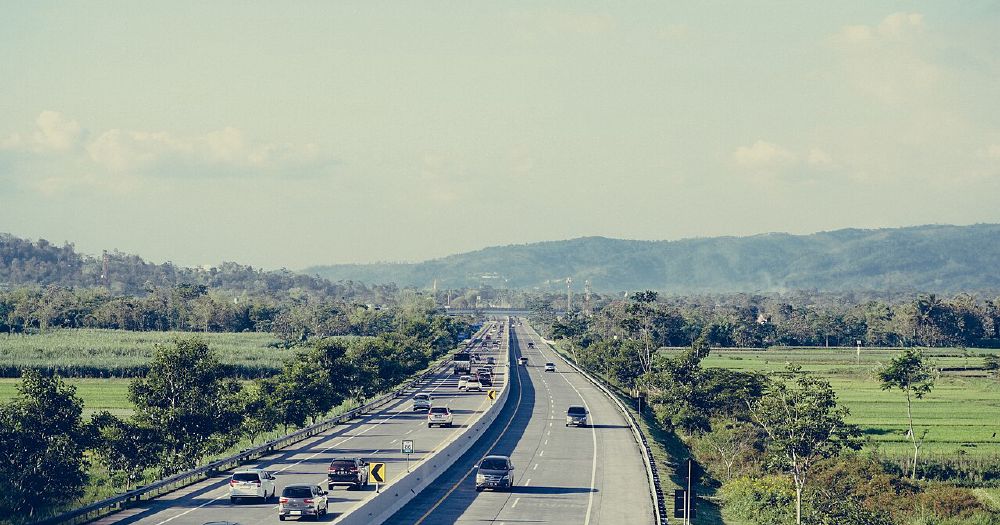
In road and civil infrastructure work, batu malang aggregate is a standard base layer material. A well-compacted layer of split stone beneath asphalt or paving provides drainage and distributes surface loads down into the subgrade. This is especially important in Java's wet climate, where poor drainage can rapidly undermine road surfaces.
Beyond structural uses, cut and dressed batu malang has a long tradition in traditional Javanese architecture. Garden walls, decorative paving, water features, and temple-style landscaping elements often incorporate the stone precisely because its dark, textured surface weathers attractively over time. The material develops a subtle patina that many homeowners and designers find appealing. For anyone sourcing it for aesthetic purposes, asking suppliers for hand-split rather than machine-crushed material usually yields more visually interesting pieces with natural face textures.
Conclusion
Batu malang is a regionally specific volcanic stone that earns its reputation through consistent hardness, good weather resistance, and genuine versatility across construction and landscaping applications. It works because the underlying geology of East Java produced rock with the right properties, and because generations of quarrying and processing experience have built reliable supply chains around it.
If you are working with batu malang for the first time, focus on sourcing from suppliers who grade and wash their material, specify the correct aggregate size for your mix design, and account for moisture conditions before batching concrete. Getting those basics right is what separates a durable result from one that causes problems down the line.