Exploring Kabupaten Malang: How to Get Better Results Every Visit
Kabupaten Malang, the regency that wraps around the city of Malang in East Java, Indonesia, is one of the most geographically and culturally rich destinations in the country. Covering a vast area that includes volcanic highlands, coastal stretches along the Indian Ocean, dense forests, and traditional Javanese villages, it offers far more than most visitors manage to see on a first trip. In 2026, with improved regional infrastructure and growing interest in sustainable travel across Southeast Asia, more people are making the regency a serious destination rather than a quick side trip.
The challenge, as many travelers and researchers quickly discover, is that Kabupaten Malang rewards preparation and patience. Whether you are visiting for tourism, agricultural study, cultural immersion, or geographic research, the results you get from your time here improve significantly when you approach the region with a clearer strategy. This article explains how to build on each experience so that every return visit — or every deeper phase of a single extended stay — yields more than the last.

Understand the Region Before You Arrive
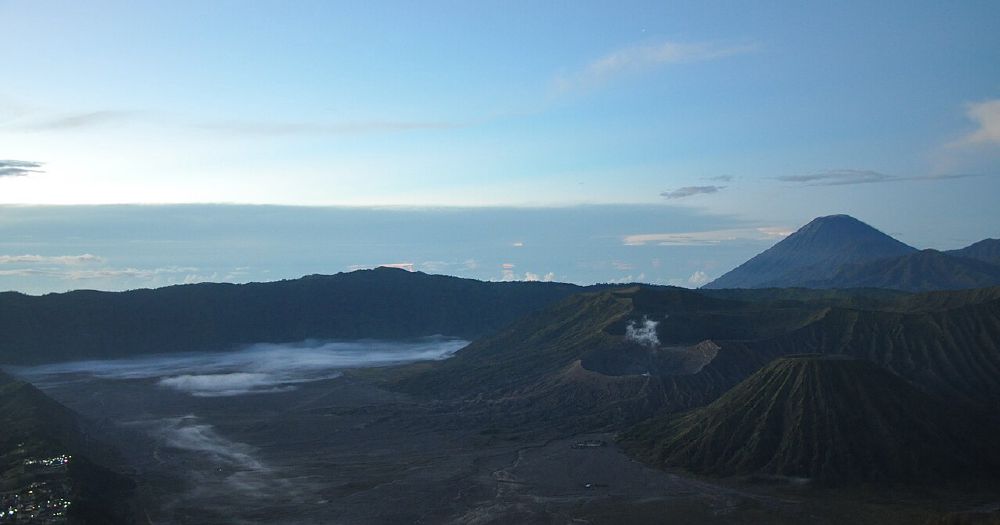
Kabupaten Malang is not the same as Kota Malang, the urban city at its center. The regency itself is a separate administrative unit governed independently, and it surrounds the city on all sides. It covers a large area with dramatically varied terrain, from the slopes of Mount Semeru and the Bromo-Tengger-Semeru National Park in the northeast to the black-sand beaches of the southern coast near Sendang Biru and Balekambang.
This geographic diversity means that treating the regency as a single, uniform place is one of the most common mistakes first-time visitors make. Conditions, culture, and even language use can shift noticeably between one subdistrict and another. Before arriving, spend time studying a detailed map of the regency's districts, known locally as kecamatan, and identify which zones align with your specific interests. Agricultural travelers, for example, will find the highland zones around Pujon and Ngantang particularly productive for understanding how smallholder farming works in volcanic soil environments.
Reading local government reports, academic papers about East Javanese culture, or travel accounts from people who have spent extended time in the regency will also give you a much more grounded starting point than general travel guides alone. The more specific your knowledge before you arrive, the faster you will be able to move past surface-level observations.

Build Local Relationships Deliberately
One of the clearest patterns among people who consistently get strong results from their time in Kabupaten Malang is that they invest in local relationships early and maintain them over time. This applies whether you are a researcher, a journalist, a development worker, or an independent traveler with a genuine interest in the culture.
Local guides, community leaders, and farmers in the regency are generally open to visitors who demonstrate respect and genuine curiosity. Learning even basic Bahasa Indonesia before your visit makes an immediate difference. In more rural subdistricts, some residents may primarily speak Javanese, so knowing a few polite phrases in that language can also help signal that you are not treating the area as a backdrop for your own agenda.
Practical ways to build useful local connections include:
- Staying in family-run guesthouses rather than larger hotels, which puts you in direct contact with residents who can introduce you to others
- Attending local markets, where informal conversations happen naturally and you can observe daily economic life firsthand
- Visiting community cooperatives or farmer groups, which are often more accessible than they appear and welcome informed visitors
- Following up after your visit by sharing photos, research, or written observations with people who helped you
These relationships compound over time. Someone who visits the same area of Kabupaten Malang twice a year for three years typically has access to knowledge, perspectives, and experiences that a first-time visitor simply cannot reach.
Track What You Learn and Adjust Your Approach
Getting better results over time requires treating each visit or research phase as a data point rather than a standalone event. This means keeping detailed notes, not just on what you saw or did, but on what questions came up, what you did not have time to explore, and what local contacts suggested for a return visit.
Journaling is an underused tool in this context. A written record of observations — the condition of a particular watershed, the price of produce at a specific market, the state of a road connecting two villages — gives you a baseline you can compare against on future visits. Over time, even informal notes like these reveal patterns that would otherwise be invisible.
This approach is especially valuable in a region as dynamic as Kabupaten Malang, where agricultural seasons, tourism flows, and local development projects all shift the landscape in meaningful ways throughout the year. Visiting during the dry season will give you a very different picture than visiting during the wet season, and noting those differences systematically makes each subsequent visit more productive.
Adjust your itinerary based on what you have already covered. If you spent your first visit exploring the southern coast, use your second to focus on the highland agricultural zones. If you interviewed community members in one subdistrict, seek out comparable voices in a different one next time. Deliberate variation builds a fuller, more accurate understanding of the regency as a whole.
Use Available Resources and Stay Current
In 2026, Kabupaten Malang has a growing body of accessible resources for people who want to engage with the region seriously. Local universities in and around Malang, including institutions with strong programs in agriculture, environmental science, and regional development, sometimes publish research that is publicly available and highly relevant to understanding how the regency is changing.
Regional government websites and official tourism platforms provide updated information on infrastructure, newly opened nature reserves, and community programs. Cross-referencing these official sources with on-the-ground observations is a good habit, since conditions in rural areas do not always match what is described in formal materials.
- Look for academic partnerships or exchange programs if you have an institutional affiliation
- Follow regional news outlets that cover East Java for context on political and economic developments affecting the regency
- Check road and access conditions before visiting remote areas, as seasonal flooding and construction can affect routes significantly
Staying current means your understanding of Kabupaten Malang evolves alongside the region itself rather than becoming fixed at the point of your last visit.
Conclusion
Kabupaten Malang is a region that genuinely rewards sustained attention. The visitors, researchers, and professionals who get the most from their engagement here share a common approach: they prepare carefully, invest in relationships, document what they learn, and return with sharper questions each time. The regency's depth — geographic, cultural, and agricultural — is not something that reveals itself all at once. It opens gradually to those who keep showing up with curiosity and respect.