Terminal Arjosari Malang: Common Mistakes Travelers Make and How to Avoid Them
Terminal Arjosari is Malang's largest intercity bus terminal, located in the northern part of the city and serving as the main departure and arrival point for long-distance and regional routes across East Java and beyond. For many visitors and even regular commuters, navigating this terminal can feel disorienting at first. The layout, the ticketing system, and the sheer volume of buses and passengers moving through the facility all contribute to an environment where small missteps can cost you time, money, or comfort.
Understanding how the terminal works before you arrive makes an enormous difference. Whether you are traveling from Malang to Surabaya, heading toward Banyuwangi, or connecting to a smaller city in the region, the same basic mistakes tend to trip people up repeatedly. This guide walks through the most common errors travelers make at Terminal Arjosari and gives you clear, practical ways to avoid them.
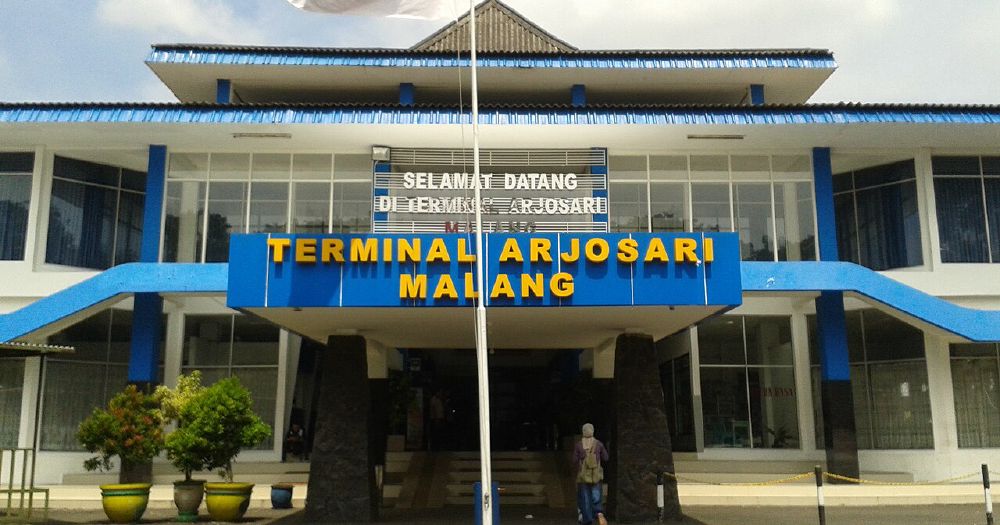

Buying Tickets From the Wrong Source
One of the most frequent and costly mistakes at Terminal Arjosari is purchasing a ticket from an unofficial seller before you even enter the terminal building. Known locally as calo, these are ticket touts or middlemen who approach travelers near the entrance, in the parking area, or even on the street outside. They present themselves as helpful guides, sometimes offering what sounds like a convenience service, but the price they charge is almost always inflated compared to the official rate at the counter.
The better approach is simple: walk past anyone who approaches you outside and go directly to the official ticket windows or the bus company counters inside the terminal. Prices posted at official counters reflect the standard fare, and you receive a proper ticket that confirms your seat and departure time. If you are unsure which counter serves your destination, ask a uniformed terminal officer rather than a stranger who volunteers help unprompted.
A few habits that help:
- Keep your bag close and stay purposeful as you walk through the entrance area
- Confirm the bus company name and departure bay before handing over any money
- Ask for a printed ticket or receipt every time, regardless of the transaction amount
Misjudging Departure Times and Arrival Windows
Terminal Arjosari operates throughout much of the day and into the evening, but that does not mean every route runs at every hour. A common mistake is assuming that buses to a particular destination depart frequently and that you can simply show up and board within minutes. On busy corridors this may sometimes be true, but on less-traveled routes the gaps between departures can be substantial.
Arriving too early can mean a long, uncomfortable wait in a crowded terminal. Arriving too late can mean missing the last departure of the day and scrambling for alternatives. The practical solution is to check departure schedules in advance, either through the bus company directly or through a reputable travel information service. In 2026, many operators have updated their online presence, making it easier to confirm schedules before leaving your accommodation.
Peak travel periods deserve special attention. Around national holidays, school breaks, and major local events, Terminal Arjosari sees dramatically higher passenger volumes. During these windows, buses fill quickly and waiting times increase. If you know you will be traveling during a busy period, booking a seat in advance rather than buying on the day is the safer choice. Some bus companies operating from Arjosari allow advance reservations either at the counter or through verified third-party platforms.
Overlooking Comfort and Safety Basics
A third category of mistakes involves the journey itself rather than the booking process. Travelers sometimes board the first available bus without checking its condition, the legitimacy of the operator, or whether it actually serves their intended stop. Not all buses departing from Terminal Arjosari make the same stops along a route, and boarding the wrong service can add significant time to your journey or leave you at an unfamiliar location.
Before boarding, confirm with the driver or conductor that your destination is on the route and ask specifically where they will drop passengers. This is especially important if you are heading to a smaller town or a stop that sits between two larger cities. A brief conversation at the door of the bus takes less than a minute and eliminates a great deal of uncertainty.
Comfort and safety considerations during the journey are also worth planning for:
- Bring enough water and a small snack, particularly for journeys lasting more than two hours
- Store valuables in a bag that stays with you rather than in overhead compartments or luggage holds
- Note the bus company name and vehicle number before departure in case you need to report a problem afterward
Longer routes, especially overnight services, vary considerably in quality between operators. If comfort matters to you, look specifically for buses described as executive class or AC express, which generally offer more space and air conditioning compared to standard economy services.
Conclusion
Terminal Arjosari is a functional and well-connected hub, but it rewards travelers who arrive prepared. The three areas where people most commonly go wrong — ticket sourcing, timing, and on-board planning — are all entirely avoidable with a modest amount of preparation. Stick to official ticketing channels, verify your departure time before you go, and confirm route details directly with the bus crew. These habits take little effort but make the difference between a smooth journey and an unnecessary headache. Malang is a city worth exploring, and getting your terminal experience right means more time enjoying the destination and less time recovering from a preventable mistake.