Um Malang Explained: Practical Tips for Getting the Most Out of Your Visit
Malang is one of East Java's most rewarding destinations, and the phrase "um Malang" — shorthand used by locals and travelers alike to refer to exploring the broader Malang area — captures something important: this city and its surroundings are best understood as a whole rather than a single point on a map. The urban core, the highland villages, the colonial architecture, and the dramatic volcanic scenery all feed into one another, and visitors who treat them as separate stops miss the bigger picture.
Getting the most out of the Malang experience in 2026 means planning with intention. Crowds have grown steadily, infrastructure has improved, and the local tourism scene has matured enough that a little preparation goes a long way. Whether you have two days or two weeks, understanding how the area is structured — and how to move through it efficiently — will save you time, money, and unnecessary frustration.
Understanding the Layout Before You Arrive
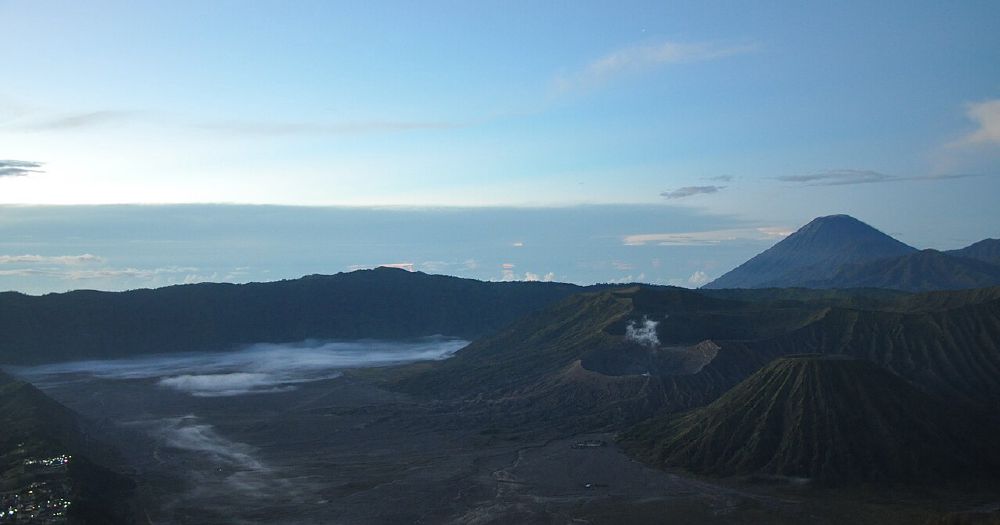
Malang sits at roughly 450 meters above sea level in the interior of East Java, which gives it a noticeably cooler and more comfortable climate than coastal cities like Surabaya. The city proper is compact and walkable in parts, but the surrounding region — often called Greater Malang — spreads outward to include highland towns, crater lakes, and the famous Bromo-Tengger-Semeru area to the northeast. Knowing this distinction matters because many travelers book accommodation in the city center and then discover that the sights they most want to see require significant travel time.
A practical approach is to divide your itinerary into zones. Spend your first day or two anchored in the city itself, getting oriented and visiting the old Dutch-era neighborhoods around Kayutangan and the Alun-Alun, the central town square. Then, if you plan to visit highland destinations like Batu City or the Ijen and Bromo regions, consider whether a night closer to those areas makes more sense than a long early-morning drive from the city.
- The city center is best for colonial architecture, local food, and markets
- Batu, about 20 kilometers northwest, is a cooler highland resort town worth a separate half-day or full-day visit
- Volcanic destinations to the northeast require early starts and ideally an overnight stay nearby
Moving Around Efficiently
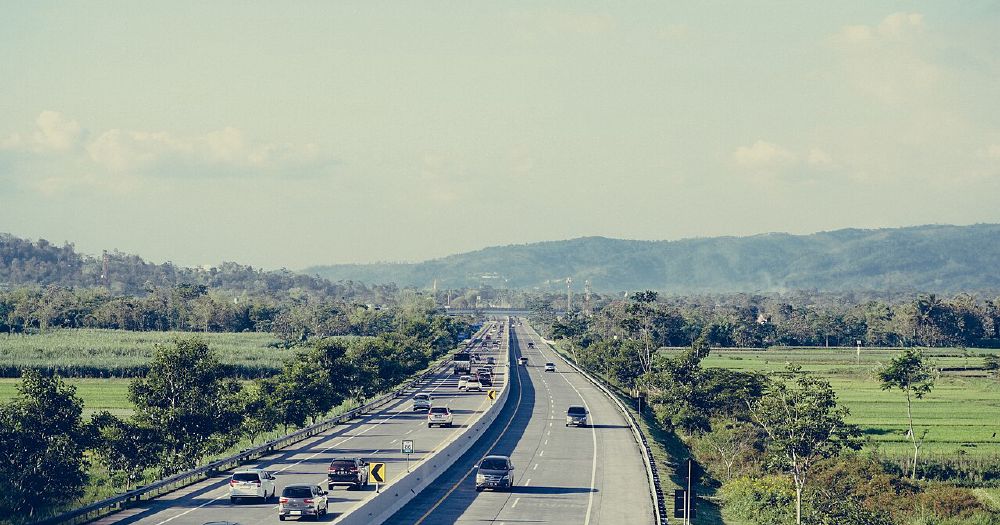
Transportation is one area where advance thinking pays off. Ride-hailing apps remain the most reliable and affordable way to get around the city itself, and by 2026 coverage in Malang is consistent enough that you rarely need to negotiate with individual drivers. For day trips into the surrounding highlands, renting a car with a driver is a popular and sensible option — the roads outside the city can be winding and signage inconsistent, so having a local driver removes a real logistical burden.
For budget travelers, angkot — the shared minibuses that run fixed routes through the city — are cheap and give you a genuine slice of local commuter life. The trade-off is that routes are not always intuitive for newcomers and stops can be irregular. If you plan to use them, download an offline map of the city and ask your accommodation to mark the nearest relevant routes for you. A brief conversation with your host or hotel staff about getting around is one of the most underused resources available to visitors.
Timing matters for road travel. Malang's traffic can back up significantly during morning and late-afternoon commuter hours, and weekend traffic to popular highland spots like Batu intensifies. Leaving before 7 a.m. for day trips makes a real difference, both in travel time and in beating the crowds at popular viewpoints.
Making the Most of Food, Markets, and Local Culture
Malang has a strong food identity, and eating well here does not require spending much money. The city is known for several regional dishes that are worth seeking out deliberately rather than stumbling upon by chance. Bakso Malang — a soup featuring meatballs, fried wonton, and noodles — is the most iconic, and small bakso stalls and carts operate throughout the city from late morning into the evening. Night markets and the area around Pasar Besar, the main traditional market, offer a concentrated window into local eating habits and daily commerce.
Markets in Malang operate on a rhythm that rewards early risers. The most active period at traditional markets is typically between 6 and 9 in the morning, when vendors are fully stocked, produce is freshest, and the atmosphere is at its most lively. If you visit later in the day, you will still find plenty to see and buy, but the energy is different. For visitors interested in local crafts, batik textiles, and everyday household goods, the market area around the city center offers more variety and better prices than tourist-oriented shops.
- Arrive at traditional markets before 9 a.m. for the best selection and atmosphere
- Ask locally about which night market is operating on a given evening — they rotate by neighborhood
- Bring small bills; many market vendors cannot easily make change for large denominations
Cultural sites in Malang include several well-preserved Dutch colonial buildings, Chinese temples, and Hindu-era candi (stone temples) scattered through the surrounding countryside. The candi, in particular, are often overlooked in favor of the volcanic scenery, but they provide meaningful context for understanding Java's layered history. Hiring a local guide for even half a day at one of these sites transforms the experience from a visual stop into an informative one.
Wrapping Up
Exploring um Malang well comes down to a few consistent principles: understand the geography before you book accommodation, plan your transportation in advance rather than improvising, eat where locals eat, and give yourself enough time to move between the city and the surrounding region without rushing. Malang rewards the traveler who slows down and pays attention — it is a place with genuine depth, and a little preparation is all it takes to find it.