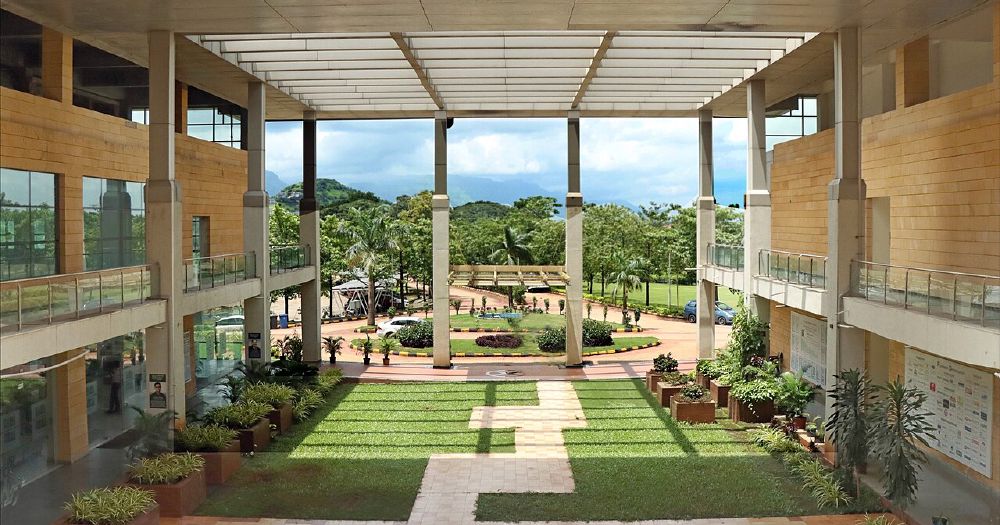
Universitas Muhammadiyah Malang: A Practical Guide for Prospective Students
Universitas Muhammadiyah Malang, commonly known as UMM, is one of Indonesia's most recognized private universities, located in the highland city of Malang in East Java. Founded under the banner of the Muhammadiyah organization, it blends Islamic values with a broad academic curriculum that spans science, engineering, social sciences, health, and the humanities. For students considering enrollment in 2026, understanding how the university actually operates on a day-to-day level can make a significant difference in how smoothly you transition into campus life.
Whether you are a domestic student from another Indonesian province or an international applicant exploring options in Southeast Asia, UMM offers a genuinely large and active campus environment. The university has continued to grow its facilities, programs, and international partnerships over recent years. Knowing what to expect before you arrive — and how to take full advantage of what is available — puts you ahead of the curve from day one.


Navigating Admission and Program Selection
The admission process at UMM follows a structured path that typically involves submitting academic records, passing a selection test, and in some faculties completing an interview. Because UMM is a private university, it runs its own admission cycles independently of the national state university entrance system. This means students who miss the national window still have a realistic path to quality higher education.
When choosing a program, be strategic. UMM offers a wide range of undergraduate and postgraduate degrees, and some faculties carry stronger reputations and more competitive graduate employment rates than others. Research which programs hold national accreditation ratings from BAN-PT, Indonesia's national accreditation body, and aim for those ranked A or Unggul, the top tier. Accreditation directly affects how employers and graduate schools view your degree.
- Check the accreditation status of your target program on the official BAN-PT database before applying.
- Ask the admissions office specifically about class sizes and faculty-to-student ratios in your department.
- Look into dual-degree or exchange opportunities if international exposure is a priority for your career.
Making the Most of Campus Life and Facilities
UMM's campus is notably self-contained. It includes hospitals, hotels used for hospitality training, a large sports complex, and a well-known amusement and education park. These are not just amenities — they are practical learning environments where students in relevant programs gain hands-on experience before graduation. If your program has ties to any of these facilities, pursue those placement opportunities early rather than waiting for them to be assigned.
Housing is a common concern for students arriving from outside Malang. The university operates dormitories, but spots fill quickly. Apply for on-campus housing as early as possible and have a backup plan by researching the surrounding neighborhoods, known locally as kos-kosan districts, where rented rooms are widely available and relatively affordable. Living close to campus saves both time and transportation costs, which add up over a semester.
Student organizations, called Unit Kegiatan Mahasiswa or UKM, are a practical way to build skills that classroom instruction does not always cover. Leadership roles, public speaking, project management, and professional networking all develop through consistent involvement in these groups. Treat extracurricular participation as part of your education, not a distraction from it.
Managing Academics and Building Professional Skills
UMM's academic calendar follows a semester system, and coursework is delivered in Indonesian for most programs, with select international programs using English as the primary language of instruction. If your Indonesian proficiency is still developing, invest time in language preparation before classes begin. Strong language skills are the single most effective tool for keeping up with lectures, assignments, and group projects.
Academic advising is available but tends to be most useful when students come prepared with specific questions. Before each advising session, map out your credit progress, identify any prerequisite conflicts, and know which electives align with your intended career path. Advisors can open doors to research opportunities and faculty connections, but only if you engage them actively rather than passively.
Building a professional portfolio while still enrolled is increasingly important in a competitive job market. UMM has links with industry partners across healthcare, engineering, education, and business sectors. Internships, often called Kerja Praktek in Indonesian academic language, are typically required in many programs and should be approached as genuine career-building experiences rather than boxes to check.
- Start your internship search at least one semester before the placement period begins.
- Request a reference letter from supervisors immediately after completing any internship or research project.
- Document all practical projects with written summaries you can present to future employers.
Conclusion
UMM offers substantial resources for students willing to engage with them deliberately. The university rewards those who plan ahead, ask questions, and treat every practical opportunity as preparation for professional life. Arriving informed and staying proactive throughout your time there is the most reliable path to getting real value from your degree.